
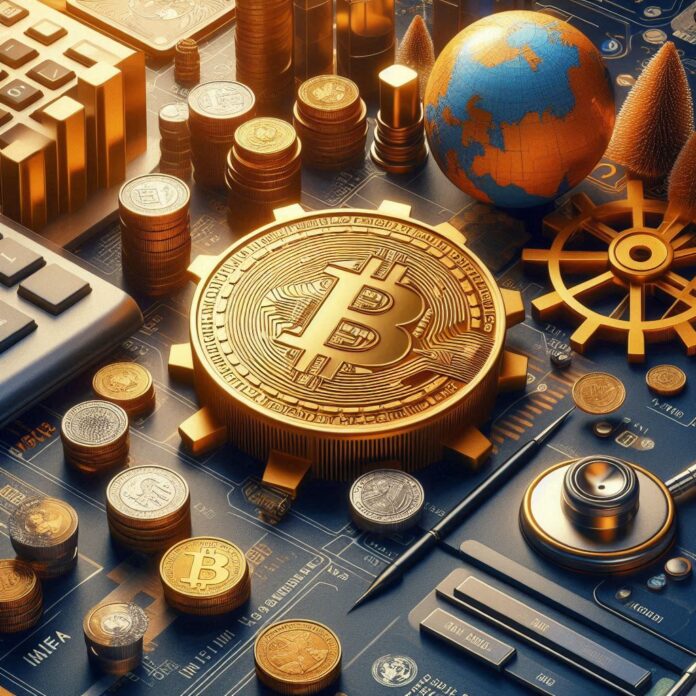
Impact of the New IMF Classification on Digital Assets
The International Monetary Fund’s (IMF) recent changes to the classification of cryptocurrencies, particularly Bitcoin, could have far-reaching implications for the global financial landscape. These new guidelines, published in the updated Balance of Payments Manual standards, reflect the increasingly important role digital assets play in the economic system.
New Standards for Digital Assets
Bitcoin is now classified by the IMF as a non-produced, non-financial asset. This means it is a capital good distinct from financial instruments. This classification represents a groundbreaking development in the treatment of cryptocurrencies, as it is the first time they have been included in the IMF’s statistical standards.
Categorization of Stablecoins and Tokens
In contrast, stablecoins and tokens such as Ethereum are classified as financial instruments because they are backed by liabilities. This distinction is crucial for the treatment and recording of transactions involving these assets, which must be recorded on the financial balance sheet.
Implications for Investors
The IMF’s new guidelines also have consequences for staking and the income generated from the payment of rewards for staking tokens. These should be treated like dividends and recorded under current account income. This reform demonstrates how economic activities surrounding crypto assets are evolving and their increasing importance in the financial sector.
Global Relevance and Transparency
The BPM7 was developed following consultations with 160 countries and aims to create a unified framework for macroeconomic statistics. By introducing these standards, the IMF aims to make the economic effects of digital assets and related services more transparent. This initiative could not only improve the analysis of digital assets but also increase trust in these novel financial instruments.
Conclusion: A Step into the Future
The IMF’s classification of Bitcoin and other cryptocurrencies marks a turning point in global financial regulation. It could help more clearly define the role of digital assets in international trade and capital movements. The development of these standards demonstrates the need for financial systems to respond adaptively to the dynamic world of cryptocurrencies and provides a foundation for further innovative approaches to digital financial instruments.